Common Partition Action Mistakes in Florida (And How Heirs Can Avoid Them)
Not legal advice.
When multiple heirs inherit a property in Florida, disagreements can quickly turn into legal headaches. A partition action—where one co-owner asks the courts to force a sale or divide the property—often seems like a solution. But it’s also a process that’s full of potential pitfalls.
What Is a Partition Action?
If you and other heirs can’t agree about what to do with inherited real estate, any co-owner can file a partition lawsuit in Florida. The court may order a sale or a physical division (rare for homes) of the property. But jumping straight to this step can create unexpected setbacks, cost overruns, and family rifts.
Top Mistakes Heirs Make in Florida Partition Actions
1. Filing Too Soon—Without Exploring Alternatives
Heirs often file suit before seriously exploring communication and compromise. Open negotiation or working with a mediator is usually less expensive and less damaging than litigation.
- Filing too soon can alienate other heirs and make future compromise more difficult.
- It also puts all parties at the mercy of the courts on both timing and outcome.
2. Failing to Address Title and Lien Issues First
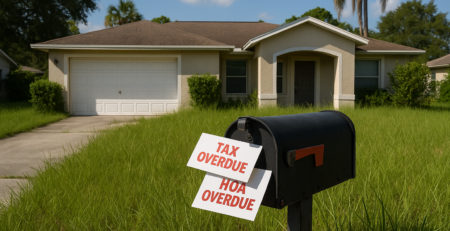
Partition actions don’t magically resolve title problems, liens, or unpaid property debts. If the property title is clouded or has legal issues, the process can grind to a halt or lead to a forced sale with less-than-optimal terms.
- Common oversight: Not checking for outstanding mortgages, judgments, unpaid taxes, or unresolved probate before filing.
3. Underestimating Costs and Delays
Partition actions come with court fees, appraisal costs, attorney’s fees, and more. Expenses can quickly eat into the property’s value, especially if legal fights drag on. Many heirs don’t anticipate:
- How long court processes may take (often months or longer)
- The risk of forced sales netting less than fair market value
4. Mistaking Partition for a Personal Win
Misunderstanding what a partition action can achieve is common. The process doesn’t guarantee you’ll walk away with the house or a specific share. The court aims for “equitable,” not “equal,” results. That can mean outcomes that surprise or even disappoint heirs.
5. Ignoring Tax and Practical Sales Consequences
Selling as a result of a partition may trigger capital gains taxes, transfer fees, or create headaches if tenants are involved. Too many heirs rush in without consulting accountants or real estate professionals on the potential impact.
How Florida Heirs Can Avoid Costly Partition Mistakes
1. Exhaust Communication and Mediation First
Try a direct meeting, family discussion, or neutral third-party mediator. Document all attempts to reach agreement. Mediation can help clarify positions—and often costs less than a lawsuit.
2. Get a Thorough Title and Lien Checkup Before Acting
Order a fresh title search, check for probate completion, and make sure debts or liens are clear. If problems exist, outline a plan to address them before considering a lawsuit.
3. Budget All Expenses—Not Just Legal Fees
Consult with a Florida real estate attorney to understand all possible court costs, appraisals, repairs, and Realtor fees. Not all costs are obvious at the start.
4. Weigh Practical vs. Legal Solutions
Sometimes selling privately—after open discussion—nets more for everyone. Explore joint sale, buyout, or creative property division options when possible.
5. Seek Professional Input
Before choosing partition, talk with a probate attorney, tax advisor, or real estate professional who regularly handles Florida estates. Their perspective can help you sidestep traps and understand the true pros and cons.
FAQs: Partition Actions in Florida
- Can a partition lawsuit fix unpaid debts or liens?
- No. The property must have clear title, or the sale may proceed with debts paid from proceeds—sometimes at a loss to heirs.
- Can one heir block a partition request?
- Generally no; under Florida law, any co-owner has the right to seek partition. But court delays or settlement efforts can slow the process.
- Will a court always order a sale?
- Most residential properties end up sold at court-ordered sale. Division “in kind” (splitting land) is rare unless it makes sense (e.g., rural acreage).
- How long does the process typically take?
- Expect several months or more, especially if title issues or family disputes exist. Each case is different.
- Do all heirs have to agree to a sale?
- No, but cooperation before a lawsuit often leads to a better financial result than a court order.
Action Step: Don’t Rush Into Litigation
Partition actions may be necessary if no other solution works, but they can be costly, slow, and unpredictable. Investing a little extra time in communication, professional advice, and due diligence can save heirs serious money and heartache.
Need help untangling an inherited property? Contact EstateUnlock for a free, no-obligation consultation. Phone: 305-527-3530.
Disclaimer: The content above is for general informational purposes only and is not legal advice. For advice about your situation, consult a qualified Florida real estate or probate attorney.