Inheriting property isn’t always the windfall many expect—it’s often packed with emotional baggage and clashing expectations among heirs. The process gets even more complicated in Florida, where probate laws and family dynamics can create a messy blend of nostalgia, stress, and sometimes outright disputes. Here’s a direct, actionable guide for heirs facing the tangle of emotional attachments and disagreements during probate.
## Why Emotions Run High After Inheriting Property
Let’s face it: a family home in Florida is more than four walls and a roof. It’s birthdays, holiday gatherings, and maybe even grandpa’s handprints out on the patio. When a loved one passes away, those memories can make every decision—whether to sell, keep, or rent—a potential flashpoint with siblings or other co-heirs.
As much as you want to celebrate the legacy, practical issues (like maintenance costs, past-due bills, and legal steps) can turn sentiment into stress. Emotional attachments are natural, but they can lead to gridlock if everyone involved wants something different.
## Typical Heir Disagreements in the Florida Probate Process
Here’s why inherited properties often cause friction among heirs:
– **One wants to keep, another wants to sell**: Sentimental heirs may want to keep the home, while others want cash or to cut ties quickly.
– **Unequal effort or investment**: If one heir handled caregiving or paid for repairs, they might feel entitled to larger shares.
– **Long-distance or absentee heirs**: Not all heirs live nearby—or even in Florida—adding pressure on those who do.
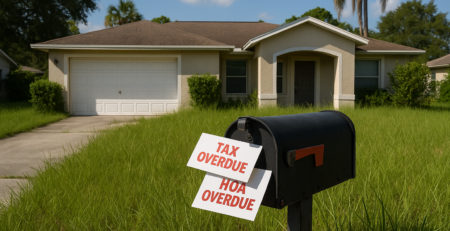
– **Hidden costs and debts**: Outstanding mortgages, property taxes, or HOA fees can surprise everyone and fuel arguments over who pays and how.
In the absence of a clear will or guidelines from the deceased, these disagreements can stall probate, rack up legal fees, and erode family trust.
## Navigating Emotional Attachments Without Derailing Probate
You can’t wish away emotions, but you *can* manage them. Here’s how to prevent feelings from derailing the process:
### 1. Start With an Open Conversation
Bring everyone together (in person, Zoom, whatever works) before decisions get made. Create space for:
– sharing what the property means to each person
– discussing practical realities (expenses, required maintenance, timelines)
– airing concerns about fairness
*Tip: A neutral third party, like a mediator or experienced probate real estate professional, can help keep things constructive.*
### 2. Identify the Real Stakes—Together
Sometimes disagreements come from misinformation. If you’re fighting over the property, make sure everyone understands:
– The home’s real market value
– Any debts or liens against it
– What probate in Florida actually involves (timelines, fees, legal obligations)
Get a professional opinion early. An estate attorney or probate specialist can spell out everyone’s options without taking sides. Remember: EstateUnlock can help answer these questions in a no-obligation call.
### 3. Clarify Each Heir’s Position Early
Have each heir express—in writing if possible—what their ideal outcome looks like. Want to keep? Want to sell? Open to renting? Laying out preferences early highlights both potential compromises and likely sticking points.
### 4. Explore Creative Solutions
Selling isn’t the only answer after probate. Florida heirs may be able to:
– Buy out those who want to cash out, allowing one or more to keep the property
– Set up a rental agreement, splitting income
– Agree on a shared-use schedule for a set period (especially if one wants to use the home for family trips)
– Donate the property for tax benefits (if everyone is willing)
Creative solutions require clear agreements—in writing—and often the help of professionals to make arrangements legally sound.
### 5. Don’t Let Sentiment Blind You to Costs
Maintaining an inherited Florida home costs real money: mortgage payments, insurance, taxes, utilities, and repairs. Add in the possibility of hurricane season, and holding onto a property without clear financial ability or agreements can quickly sour family relationships.
Crunch the numbers up front. Honest evaluation beats regret down the road.
## Practical Steps When Heirs Disagree About a Florida Property
If your conversations have reached a dead-end, here’s a checklist to move things forward:
1. **Gather documentation:** Get the deed, mortgage statements, utility bills, tax records, and the will (if there is one).
2. **Assess the estate:** Contact a probate real estate advisor or attorney to understand the estate’s assets and debts.
3. **Determine probate status:** If the home must go through probate, file the petition swiftly to establish executor/personal representative authority.
4. **Suggest mediation:** Professional mediators can facilitate fair, practical solutions tailored to Florida’s probate process.
5. **Consider buyout financing:** If one heir wants to keep the house, lenders or specialty services can offer solutions.
6. **Use written agreements:** Record any deal reached among heirs in legal documents to prevent misunderstandings.
7. **Prepare to sell if needed:** If compromise fails, Florida courts allow for the sale of inherited properties with proceeds divided as the law or will prescribes.
## What Not to Do When Emotions Run High
– **Don’t make snap decisions** based only on emotions. Take time to review documents and obligations.
– **Don’t avoid hard conversations.** Delaying critical talks just adds costs and stress.
– **Don’t act unilaterally**—selling, transferring, or renting out the property without consensus can trigger lawsuits or force a court-ordered sale.
## Pro Tips: Keeping Family First While Untangling Property
– Schedule regular check-ins on progress
– Seek third-party, unbiased advice (real estate pros, not just family friends)
– Remember: Resolving the property doesn’t have to destroy relationships; honesty, transparency, and fair dealing win the day
## Not legal advice. For informational purposes only.
## Need help untangling an inherited property? Contact EstateUnlock for a free, no-obligation consultation.
Inherited property shouldn’t become a burden or a battleground. By combining honest conversations, professional input, and attention to both emotions and facts, Florida heirs can move forward—together or apart—with less mess and more clarity.